The Empire of
The Two Lights

Military Structure in the Aurionic Empire
Supreme Command
The military of the Aurionic Empire exists as an extension of imperial will, commanded in absolute authority by the Emperor, whose right to rule—and to wage war—is believed to be divinely sanctioned by Aurion. While the Emperor remains the supreme commander, the execution of military operations is entrusted to appointed officials who act in his name.
At the center of this system is the Imperial Triumvirate of War, composed of three key authorities:
Master of War (Anurator) – Oversees the entirety of the Imperial Military, directing strategy, deployment, and coordination across all forces.
Master of Ships – Commands the naval branch, controlling maritime operations, fleet movements, and coastal defense.
Lord Commander of the Sun Guard – Leads the Empire’s most elite warriors, responsible for the protection of the Imperial Family and the enforcement of imperial authority at its highest level.
Together, these three offices ensure that the Emperor’s command is carried out with precision across land, sea, and sovereign presence.
Table of Contents
Imperial and Regional Forces
Military organization within the Empire reflects its broader political structure. The core kingdoms—Hazzan, Maurim, and Auroreline—do not maintain independent standing armies, relying instead on the centralized Sun Army, the official military force of the Empire.
By contrast, outer kingdoms maintain their own regional militaries, operating under local command while remaining obligated to serve the Empire when called upon. These forces provide both defense and reinforcement, ensuring that each region contributes to the Empire’s collective strength.
Among these, the Verndari of the Nottgard Kingdom stand as a critical defensive force, guarding the Wall that separates the civilized world from the wild and unknown lands beyond. Their role is not only military, but existential—holding the line against threats that could overwhelm the Empire itself.
Table of Contents
Structure and Ranks
The Aurionic military is organized into a highly structured hierarchy, designed for both efficiency and clarity of command:
The Imperial Triumvirate of War
Master of War (Anurator) – Supreme operational commander of all imperial forces
Master of Ships – Commander of naval forces
Lord Commander of the Sun Guard – Leader of the Empire’s elite guard
Legatus (Legate) – Commands a legion of 5,000–6,000 soldiers
Tribunus (Tribune) – Oversees a cohort of 480–600 soldiers; senior tactical and administrative officer
Centurion (Kentarch) – Leads a century of 80–100 soldiers; the backbone of the army and seasoned veterans
Enomotarch (Platoon Leader) – Commands an enomotia of 25–36 soldiers; primary tactical unit of formation warfare
Dekarch (Squad Leader) – Leads a contubernium of 8–10 soldiers; responsible for training, discipline, and survival of the smallest unit
Signifer (Standard Bearer) – Carries the Phoenix Sigil, a sacred symbol of the Empire. The fall of a Signifer is considered a grave dishonor, marking the unit as having failed in the sight of the divine.
This structure emphasizes cohesion, accountability, and the importance of each level within the greater whole.
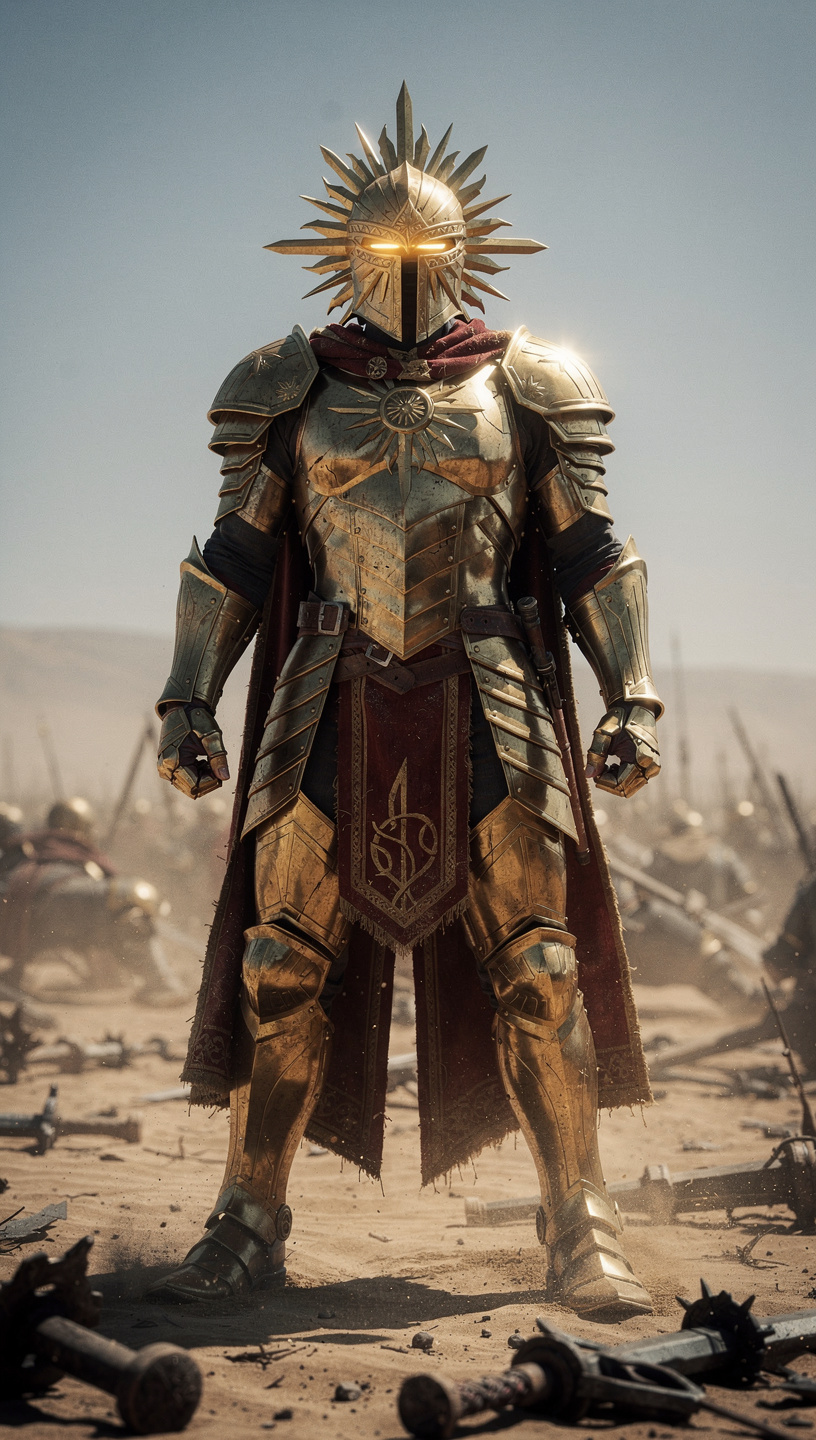
Sun Army
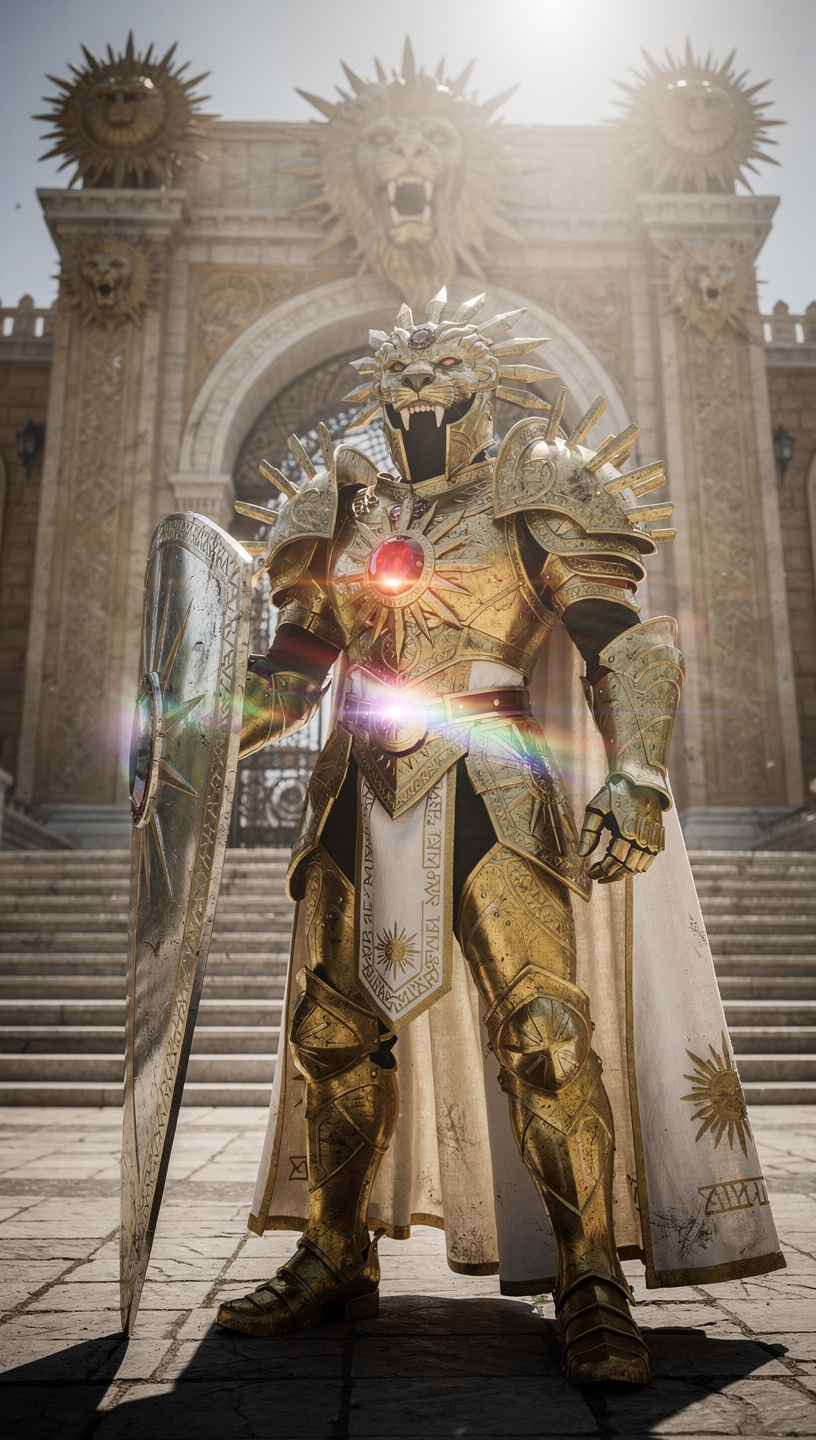
Sun Guard
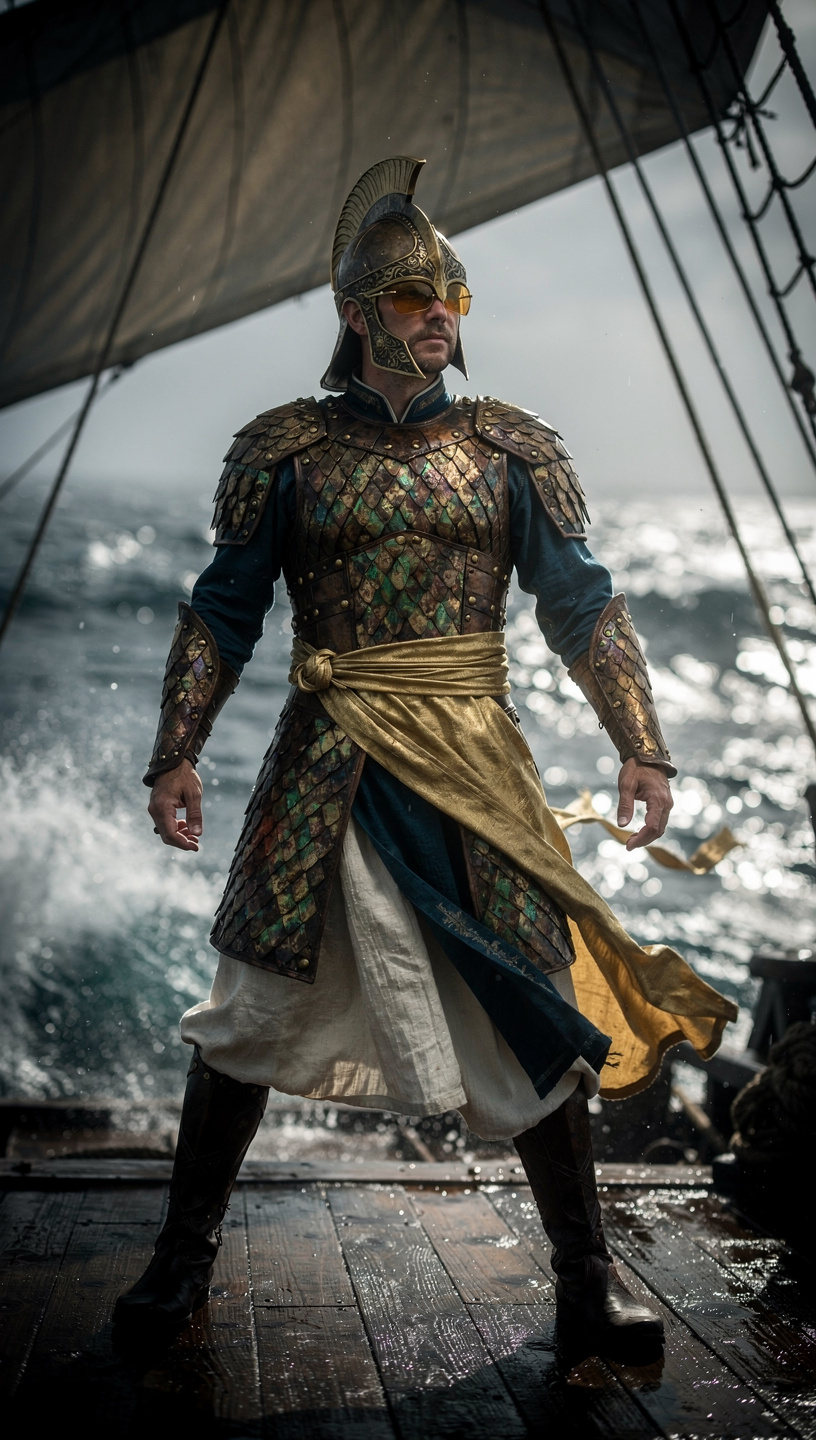
Sun Navy
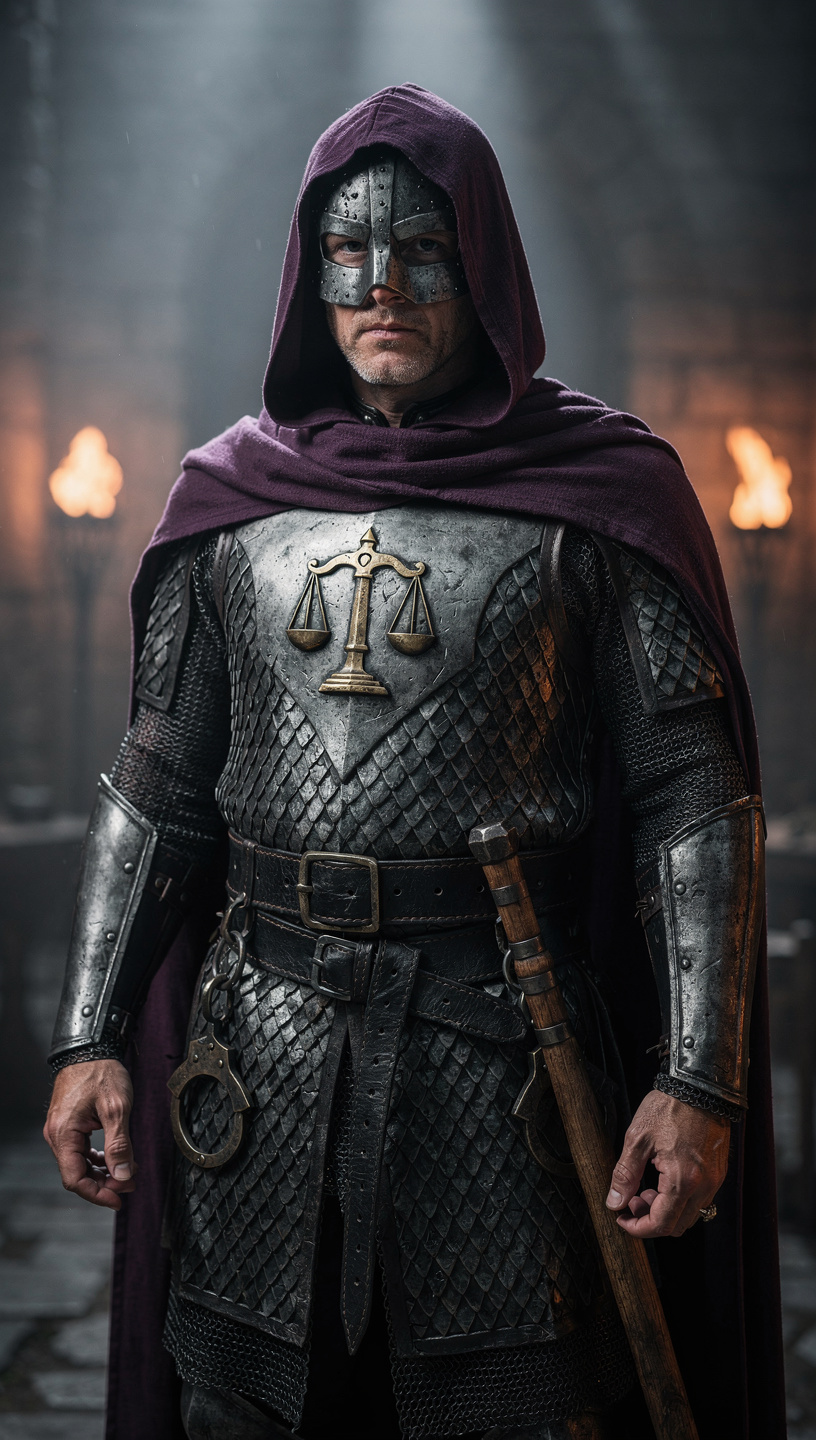
Scale-Bearers
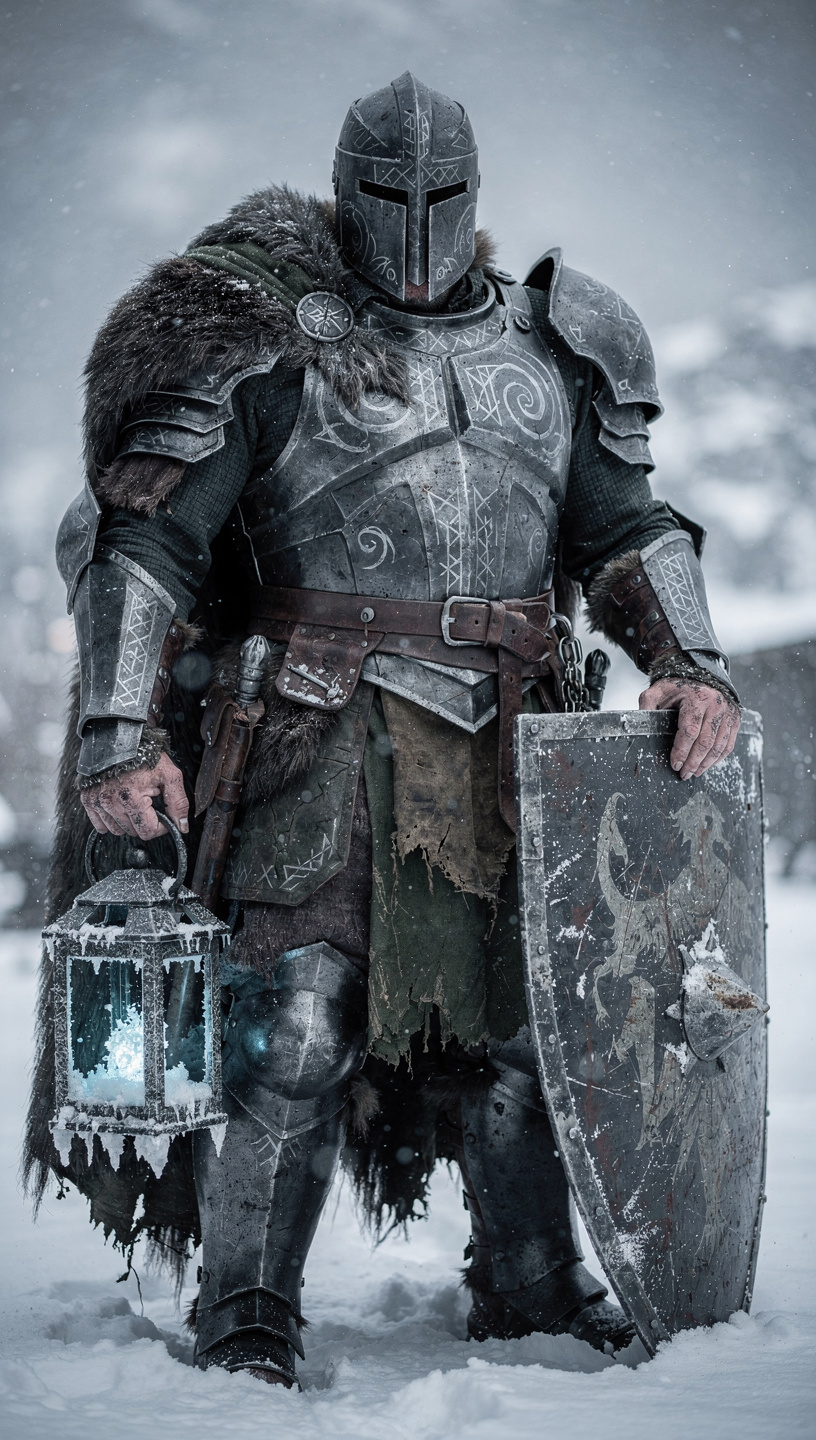
Verndari
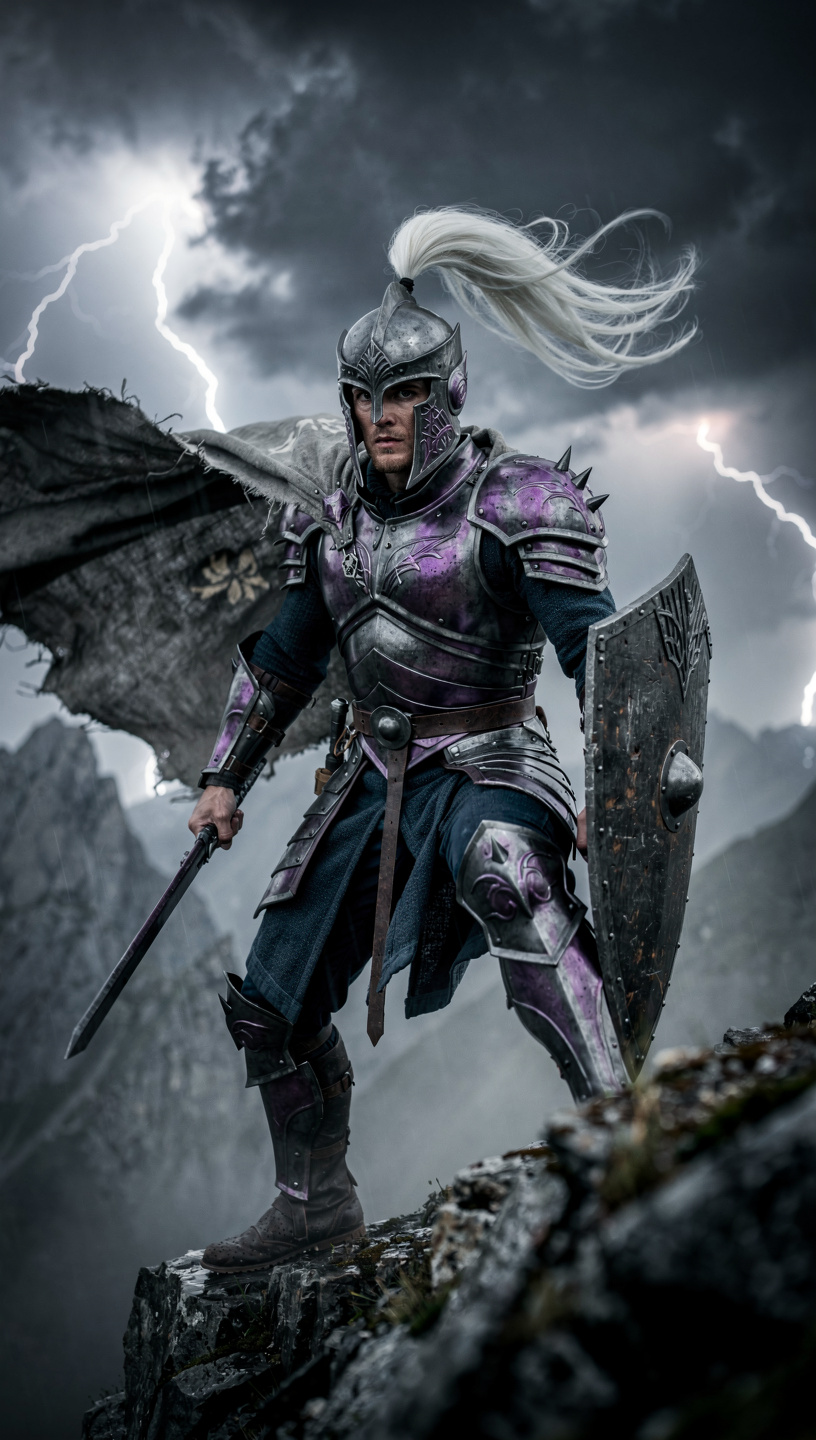
Thunder Soldier
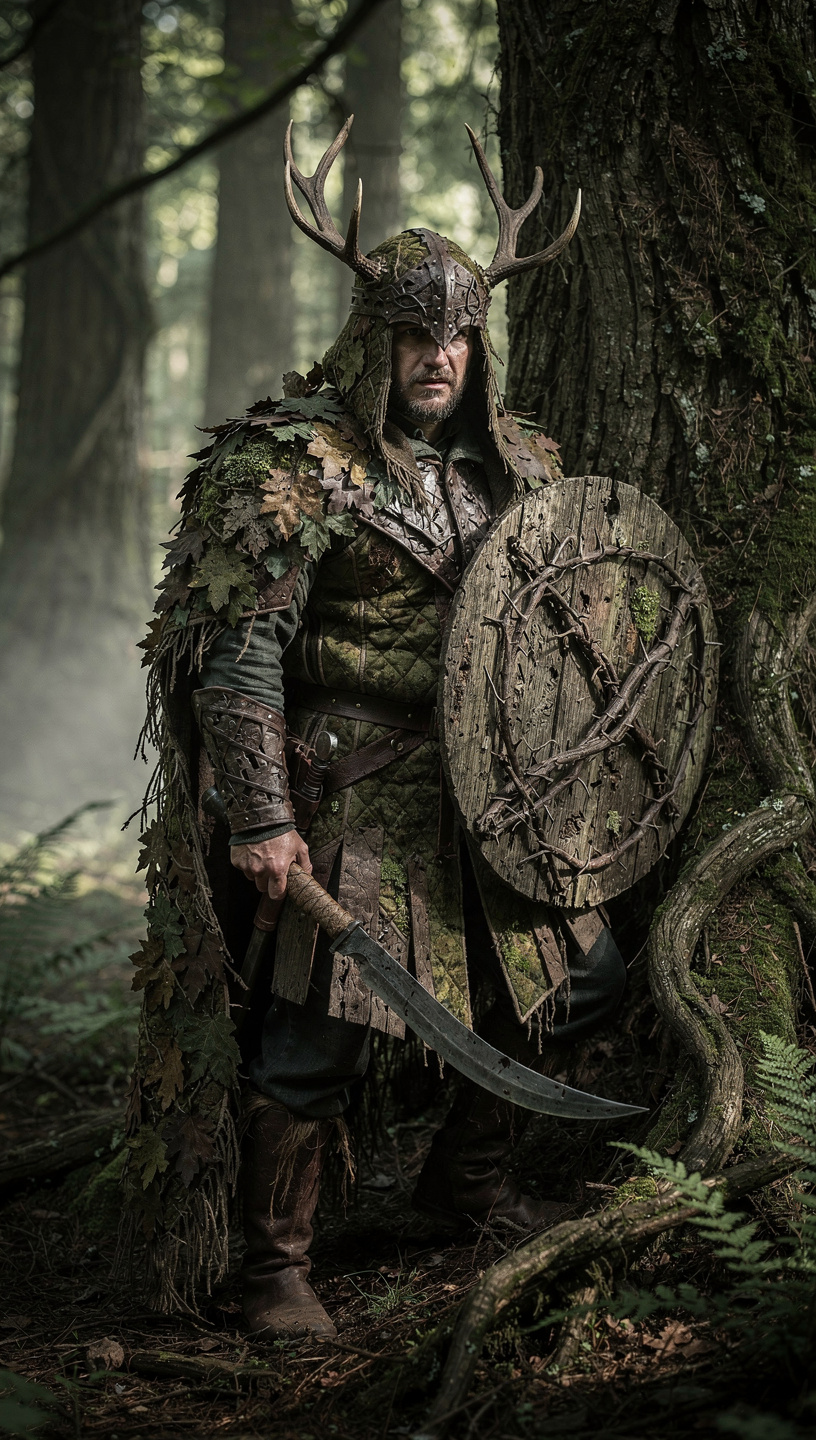
Forest Infantry
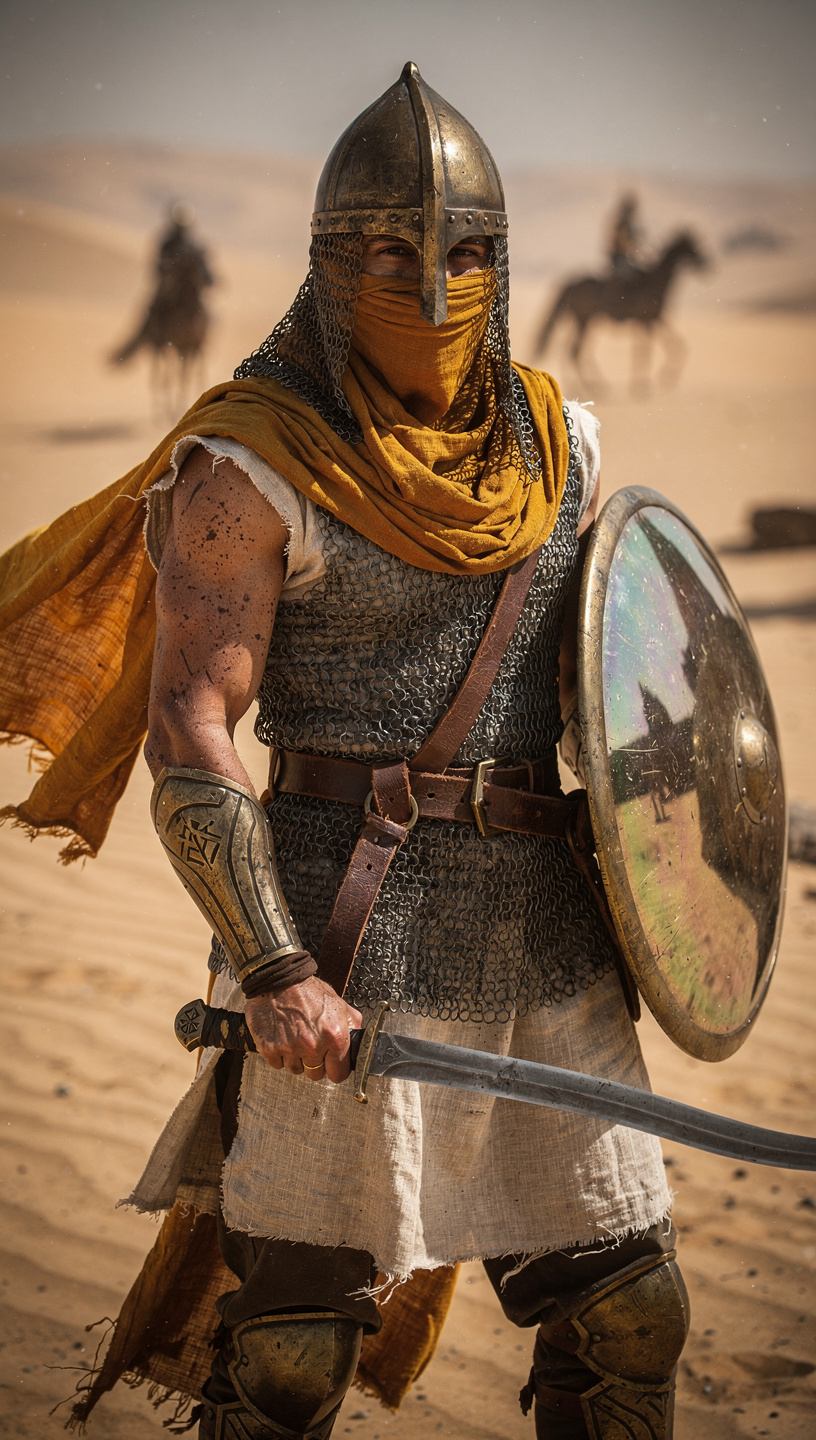
Rashidun Army
Table of Contents
The Sun Guard
The Sun Guard, also known as The Immortals, represent the pinnacle of martial excellence within the Empire. Tasked with the protection of the Imperial Family, they are the most elite and highly trained warriors in existence.
Membership within the Sun Guard is both an honor and a burden, as these individuals are expected to embody perfection in discipline, loyalty, and combat ability. They do not serve merely as soldiers—they serve as living symbols of imperial power.
Table of Contents
Religion and Military Doctrine
While the Aurionic Empire is deeply rooted in religious belief, religion does not directly command the military. Instead, it serves as a philosophical foundation, reinforcing the legitimacy of the Emperor’s authority.
Soldiers are taught that their service is aligned with divine order, but they do not act under religious command. The authority of the Emperor supersedes all, ensuring that the military remains unified under a single chain of command rather than divided by doctrine.
Table of Contents
Defense of the Realm
The defense of the Empire’s borders is both a shared responsibility and a regional necessity. Nowhere is this more evident than in Nottgard, where the Verndari guard the Wall against the Wild Ones of Vildamannaland. This defense is not merely territorial—it is existential, representing the boundary between order and chaos.
Elsewhere, regional forces maintain internal stability and contribute to imperial campaigns when called upon, ensuring that the Empire’s strength is both centralized and distributed.
Table of Contents
Restriction of Private Force
To preserve the integrity of imperial authority, nobles are strictly forbidden from raising private armies. Such an act is considered treason, as it represents a direct challenge to the monopoly of force held by the Empire.
This restriction ensures that all military power flows upward to the Emperor, preventing fragmentation and reinforcing the unity of command.
Table of Contents
The Discipline of War
The Aurionic military is not simply a force of combat—it is a system of order, discipline, and control. From the training of children to the command of legions, every aspect is designed to reflect the structure of the Empire itself.
For in the Aurionic Empire, war is not chaos.
It is command—
carried out in the name of the Crown,
and under the unblinking light of authority.
Table of Contents
𖤓 NOTICE OF IMPERIAL ACCESS 𖤓
This digital codex is maintained by the Silent Scribes of the Aurionic Lyceum. All records, genealogies, and maps contained herein are the property of the Archive of Ichnusa and are preserved for the eyes of the Imperial Household and authorized scholars. By proceeding, you acknowledge the sanctity of the "Silent Truth." May Sutir guide your quill.
Direct all inquiries to the Office of the Grand Maester.
Copyright © 2026 Brilliance Entertainment. All rights reserved.